Monthly Articles
Congress Just Made It a Lot Harder for Museums to Hold Onto Nazi-Looted Art
Congress unanimously passed an expanded version of the HEAR Act (Holocaust Expropriated Art Recovery Act), and it’s now waiting on Trump’s signature. The original 2016 law gave heirs of Holocaust victims six years to file claims after finding stolen artwork. Courts kept tossing cases out on procedural defenses before anyone could argue the actual merits. Museums would say the family waited too long, and foreign governments would claim sovereign immunity. Cases often died on technicalities.
The new version strips most of those defenses away. Laches, acquisitive prescription, act of state doctrine, the “domestic takings” rule that killed the Guelph Treasure case against Germany are all gone. The law is also now permanent, with no expiration date.
Museums are not happy about it, and the Association of Art Museum Directors put out a statement warning this could open the floodgates for litigation and mess with international relationships. Germany and France are already uneasy about U.S. courts reaching into their legal systems. Families pursuing these claims aren’t asking for a guaranteed win. They just want their cases heard on the actual evidence, which until now has been surprisingly hard to make happen.
The Supreme Court Doesn’t Want to Touch AI Copyright (For Now)
On March 2, the Supreme Court declined to hear Thaler v. Perlmutter, leaving intact the lower courts’ position that AI-generated art can’t be copyrighted without a human author.
In Thaler v. Perlmutter, Stephen Thaler, a computer scientist, applied for a copyright in 2018 for a visual artwork that his AI system DABUS produced entirely on its own. He didn’t claim any creative involvement. The Copyright Office rejected the application, a federal judge upheld that decision in 2023, and the D.C. Circuit affirmed in 2025. The Supreme Court saw no reason to step in.
Thaler claimed that no human was involved in creating the work, which made the legal question pretty narrow. The main question was what happens when someone uses AI as a creative tool but still makes substantive choices through prompting and editing? This question hasn’t been litigated yet.
So the current rule is clear enough in one direction: fully autonomous AI output with no human involvement doesn’t get copyright protection. But most real-world use of AI in creative work doesn’t look like Thaler’s case, and that middle ground is still in question.
Iran’s Cultural Heritage Is Getting Caught in the Crossfire
Since the U.S. and Israel began striking Iran on February 28, the toll on the country’s cultural sites has been severe. Iran’s Ministry of Cultural Heritage says at least 56 museums, historical buildings, and cultural sites have been damaged so far (concentrated in Tehran and Kurdistan province).
The Golestan Palace in Tehran, a UNESCO World Heritage Site, had its hall of mirrors shattered by blast waves from a strike nearby. In Isfahan, which is one of the most architecturally significant cities in the Islamic world, the 17th-century Chehel Sotoun Palace and landmarks in the historic Naqsh-e Jahan Square took damage from strikes targeting a government building next door. Isfahan’s governor said the damage happened even after Blue Shield emblems (the cultural property equivalent of a Red Cross marker, recognized under the 1954 Hague Convention) were placed on rooftops.
UNESCO confirmed it gave all parties the coordinates of heritage sites before the strikes began. However, that wasn’t enough. Iranian archaeologists have since launched an interactive map tracking verified damage, with 69 entries so far and more expected once internet access is fully restored across the country. It is important to note that when cultural sites are destroyed, communities lose pieces of shared identity and history that can’t be rebuilt. International law recognizes this, and the U.S. has ratified the treaties that say so.
Art in the City
Art X Fashion at The Museum at FIT (through April 19, 2026)
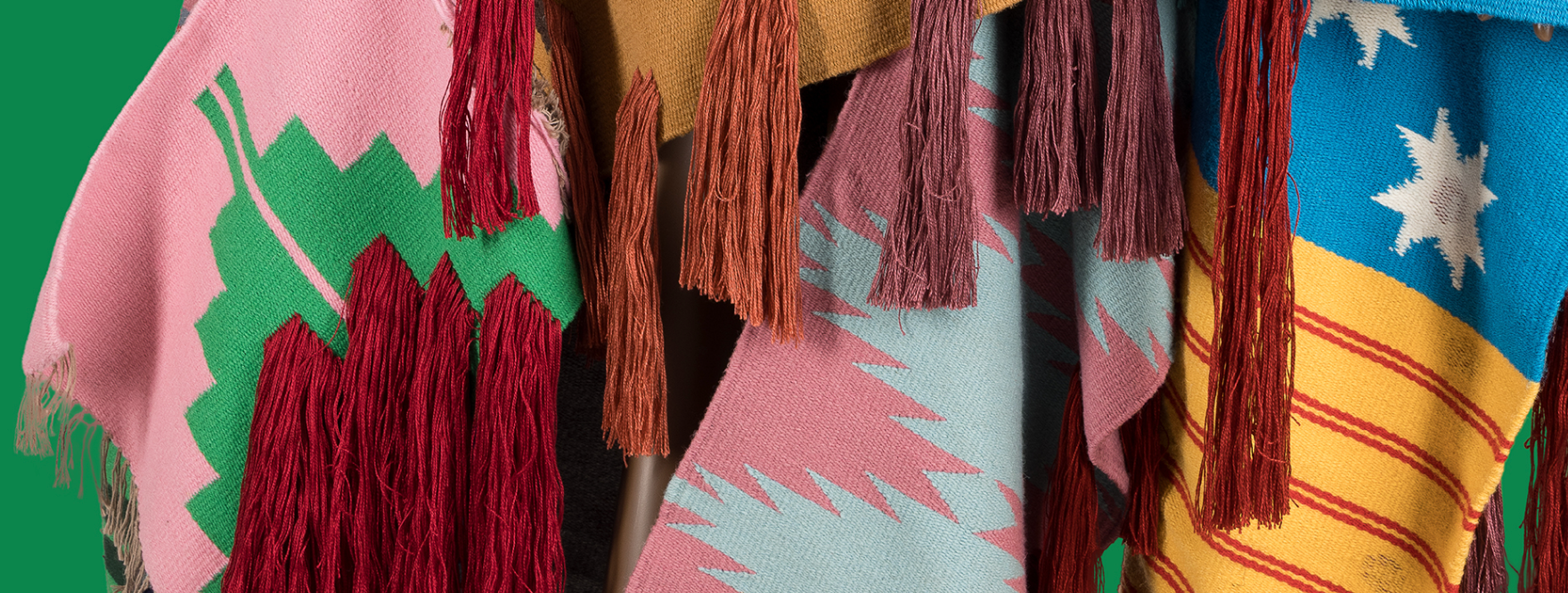
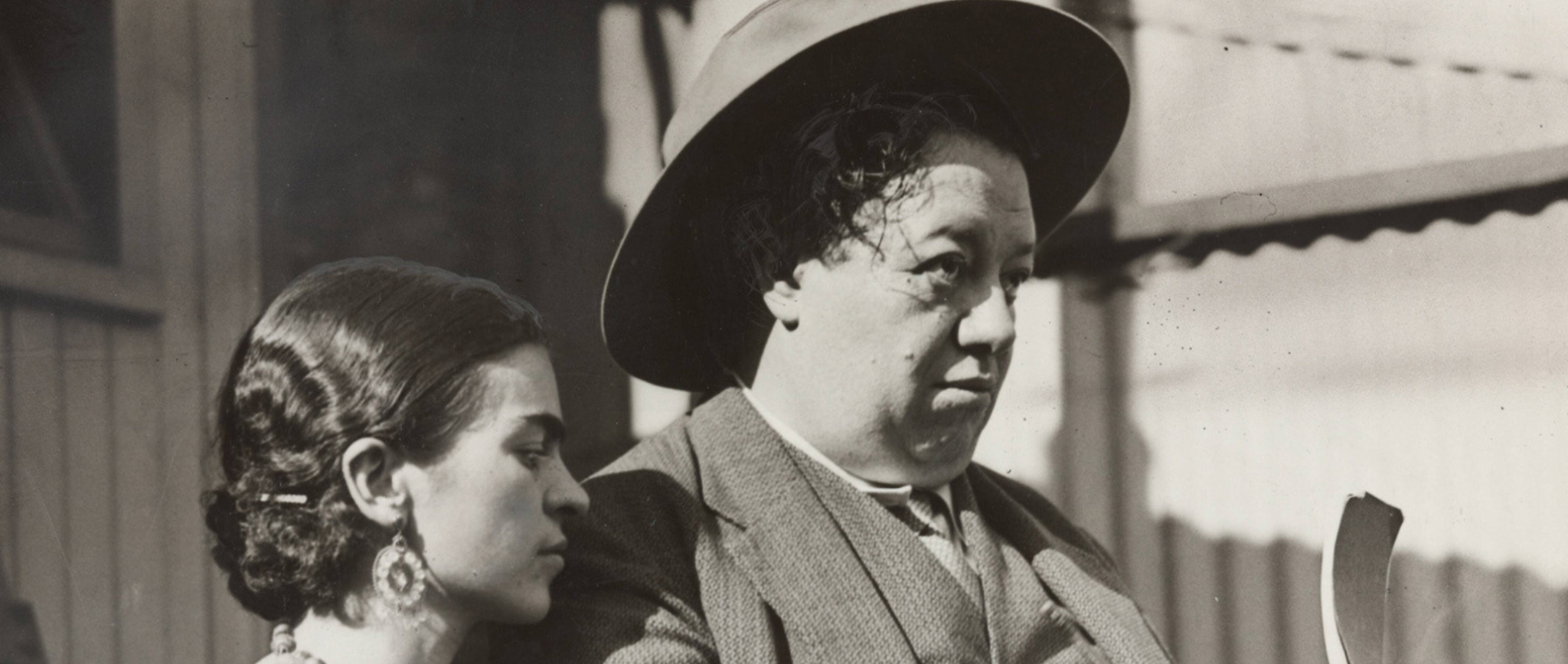
Frida and Diego The Last Dream (through September 12, 2026)
Fordham Art Law Society Career Panel Recap by Bethany Miller
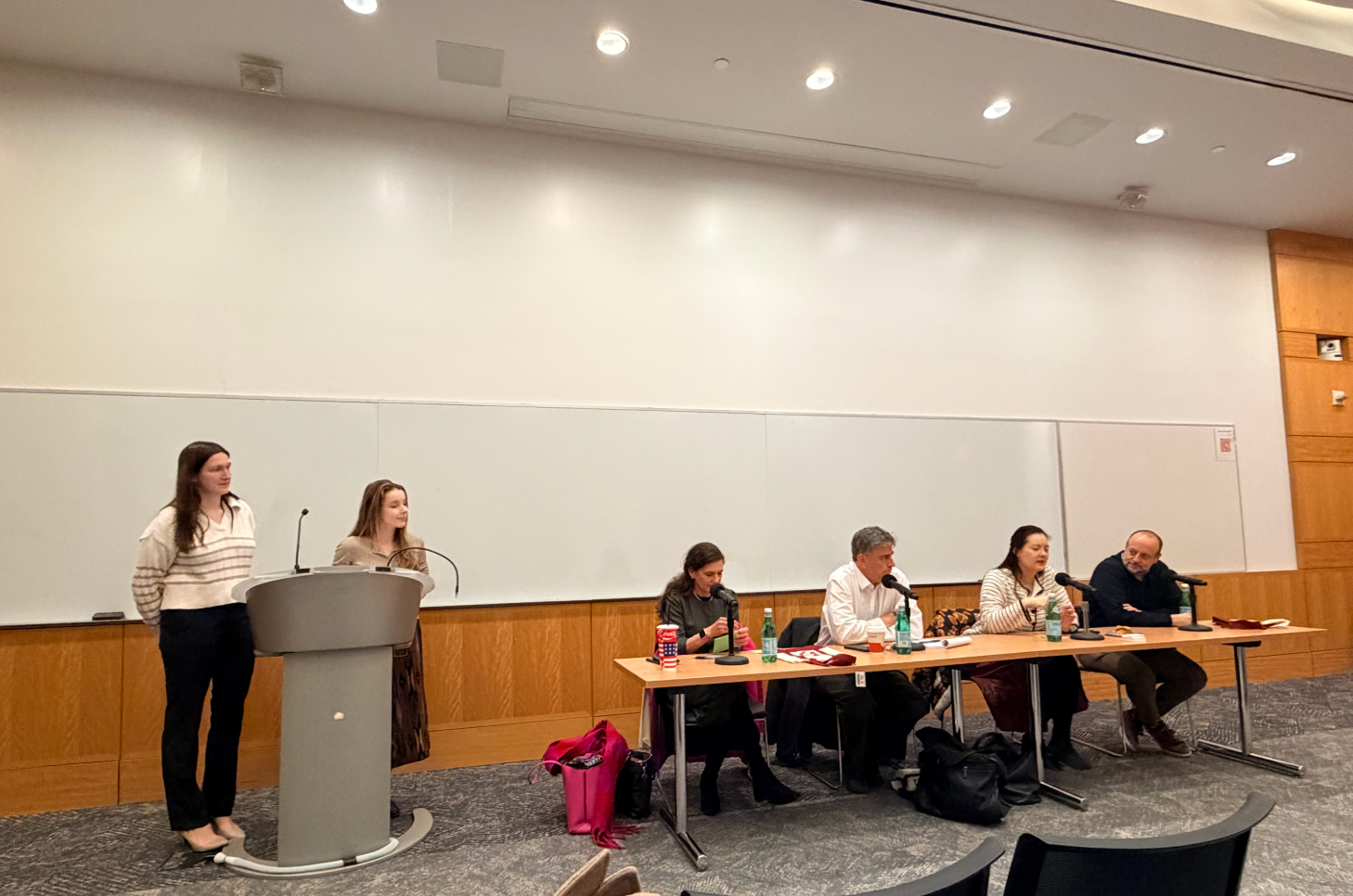
Earlier this month, the Art Law Society hosted a career panel featuring Jason Pollack (General Counsel, Americas at Christie’s), Amy Lamberti (Senior Associate General Counsel at the Met), Christopher Robinson (Of Counsel at Rottenberg, Lipman, Rich), and Jane Pakenham (General Counsel of the Calder Foundation).
A central theme across all panelists was that there is no single or linear path into art law. None of them followed the conventional path to an in-house trajectory. Their careers were shaped by a mix of opportunity, persistence, and strategic pivots, with many starting in unrelated legal fields before transitioning through networking or niche opportunities. Panelists emphasized building transferable legal skills rather than narrowly focusing on art law too early, particularly in IP, tax, trusts and estates, litigation, and contract drafting. In-house roles at museums and foundations are especially rare and competitive, often requiring four to six years of prior firm experience.
The panel also highlighted how interdisciplinary art law is in practice. Day-to-day work can span contracts, insurance claims, ADA compliance, employment issues, cultural property, and international negotiations all at once, especially in smaller organizations. And because the field is small and relationship-driven, panelists stressed the importance of attending events, building connections with practitioners, and demonstrating reliability, attention to detail, and good judgment.
You can read the full recap here
 Fordham Art Law Society (FALS)
Leave a comment