Art of the Month
Monthly Articles
Conservationist Groups Seek to Halt Federal Road Expansion Project that Endangers Indigenous Rock Art
By Cara Ianuale
Three environmental organizations filed suit in the Federal District Court of Utah against the United States Bureau of Land Management (BLM) seeking to halt a road expansion project that endangers centuries-old Indigenous rock art in Utah’s Nine Mile Canyon.
Referred to as “the world’s longest art gallery” by the BML itself, the Nine Mile Canyon features the country’s highest concentration of indigenous rock art panels, with an estimated 10,000 ancient carvings and paintings attributed to the Pueblo, Pueblo of Zuni, and Hopi cultures covering the 45-mile stretch. The walls also feature later Ute additions of men on horseback that possibly visualize the region’s colonization, making the canyon a uniquely rich cultural and historical record. Since the discovery of natural gas reserves, however, it has become an attractive site to energy companies.
On April 28, 2026, the BLM approved plans to straighten six miles of a winding, gravel road through Gate Canyon, which feeds into Nine Mile Canyon, necessitating the blasting and destruction of 100-foot tall canyon walls. Environmentalist and historic preservation groups immediately raised concerns—to no avail—about the detrimental impact that canyon blasting and increased traffic would have on the centuries-old murals.
On October 6, 2026, the Southern Utah Wilderness Alliance, the Nine Mile Canyon Coalition, and the Center for Biological Diversity jointly filed a complaint claiming that BLM bypassed standard public comment and ecological review processes to quietly expedite the project, aware of the criticism that its previous iterations faced. They allege that the BLM (1) ignored or rejected their public requests for comment and withheld project information from the public, (2) failed to assess foreseeable impacts of the action to the region’s culture, history, scenery, and wildlife, and failed to consider alternative actions, (3) made a decision not in accordance with applicable land use plans, (4) failed to comply with archaeological preservation procedures, and (5) did not consult the United States Fish and Wildlife Service (FWS) regarding impacts to wildlife.
“This lawsuit challenges the Trump administration’s disgraceful plan to transform a quiet backcountry road into a highway clogged with speeding oil tanker trucks,” said Deeda Seed, campaigner at the Center for Biological Diversity. “We’re going to court to protect this irreplaceable cultural treasure and the animals calling it home.”
Read the Salt Lake Tribune’s reporting here, and Hyperallergic’s coverage from 2022 here. Read the complaint here.
The Risk to Heritage Sites Posed by Cultural Heritage Legislation
By Ida-Rose Chabon
Cultural heritage legislation has a weak spot and leaves some of the most vulnerable of our heritage sites at risk. While the Convention on the Protection of the Underwater Cultural Heritage, created by UNESCO in 2001, requires member states not to disturb submerged sites, key world powers like China, the UK and the US have not ratified the convention. In a recent study by Rory Quinn of Ulster University in Northern Ireland, scientists point to the dangers posed by deep-sea mining and trawling to shipwreck sites and other underwater heritage sites. Scientists have begun to raise the alarm as underwater mineral mining appears to be becoming more imminent. Luckily, only a few archaeological sites lie directly in areas of the ocean likely to be identified for mining, and only 0.2% of all underwater archaeological sites within these areas are completely protected from mining activity. More alarmingly, 95% of sites worldwide are submerged in the shallow waters of our oceans and are at risk from the dangers posed by trawling nets, which have been known to drag directly over delicate shipwrecks. Rory Quinn and team suggest that a way to protect the most vulnerable of our heritage sites would be to impose a legal requirement on fishing boats to avoid known wreck sites.
Is the Bayeux Tapestry agreement a model for the Parthenon Marbles? Probably not.
By William Rampe
With the United Kingdom and France agreeing to send the Bayeux Tapestry, an embroidery depicting the 1066 Norman Invasion of England, from its home in the Bayeux Museum in Normandy, France, to the British Museum in London, UK, some are hopeful that this arrangement can provide a model for the temporary transfer of other high-profile artifacts.
Speaking with The Financial Times, British Museum Director Nicholas Cullinan claimed that the Bayeux Tapestry deal “could be a template for a loan agreement” between the UK and Greece for the Parthenon Marbles. But Kyriakos Mitsotakis, prime minister of Greece, disagrees. Writing in The Guardian, he argued that “[n]obody would seriously contemplate cutting what survives of the tapestry in two and displaying half in London and half in Bayeux. Yet that is exactly what happened to the Parthenon sculpture.”
Housed in the British Museum since 1817, the marbles were originally located in the Parthenon in Athens, Greece, until they were taken by Lord Elgin, ambassador to the Ottoman Empire (which controlled Greece at the time). Mitsotakis alleges that the marbles were “chiselled away and illegally removed from Athens” by Lord Elgin. The trustees of the British Museum, however, counter that Lord Elgin “acted with the full knowledge and permission of the legal authorities of the day in both Athens and London.”
The crux of the dispute, and why the UK and Greece are not likely to agree to a loan agreement anytime soon, derives from the legal status of the marbles.
Greece’s perspective, as articulated by Mitsotakis, is that accepting a loan from the British Museum would have the effect of recognizing “the British Museum’s ownership of the sculptures.” In contrast, the UK’s belief that it rightfully owns these artifacts makes the temporary transfer of the marbles to Greece the only feasible option. UK Prime Minister Andy Burnham, despite expressing support for returning the marbles in the past, noted that, legally, it is “an issue for the British Museum.” The British Museum interprets the British Museum Act 1963 to prevent it from returning the marbles.
The Telegraph reports that talks “appear to have stalled” between Greece and Britain, but it is not clear how they could succeed absent statutory reform. Without a concession from either side over ownership, the marbles are not likely to move anytime soon.
Who Carries the Risk When Art is Stolen?
By Olivia Schwalm
In October 2025, four thieves stole several pieces of the French crown jewels from the Louvre during the day. In March 2026, a three-minute theft at the Fondazione Magnani-Rocca in Parma took artworks worth €9 million. In September 2026, four Renoir paintings were taken from the Renoir Museum in Cagnes-sur-Mer; two were dropped during the escape and two are still missing. These recent thefts raise questions about who bears financial and legal risk when artworks are stolen from museums.
A museum does not necessarily own the works it displays, because title, possession, custody and the duty to safeguard a work may belong to different parties. The Louvre holds works owned by the French State, and the stolen Renoirs were on loan from the Musée d’Orsay. In determining who is the carrier of loss, custody obligations and predetermined allocation of risk through insurance, indemnities or contracts is considered.
Permanent collections are often uninsured because insuring them at market value is too costly. French national museums insure works only when they are moved or lent, and the state keeps the risk for everything else. As a result, the stolen Louvre jewels, estimated at €88 million, were not privately insured. The Magnani-Rocca works were reportedly uninsured as well. Typically, there are three ways risk is allocated: commercial insurance, which is common for loans; self-insurance, where the owner retains the risk; and government indemnity schemes.
After a theft, stolen works are entered into Interpol’s Stolen Works of Art database; the Louvre jewels were added within days. Italian authorities recovered the Magnani-Rocca works in August 2026 and detained five suspects, while the crown jewels have not been recovered. For the Renoirs, the deposit and loan arrangements between the two museums will decide which institution bears the loss.
Museums must consider numerous complex issues in the realm of risk allocation. Self-insured institutions receive no payout, so they must pay for investigation, security upgrades and restoration themselves. Loan agreements are the main tool for allocating risk and should set out security standards, coverage terms, deductibles and liability for negligence. Thefts also carry reputational consequences; the Louvre’s leadership has faced resignations and a formal inquiry into security failures. Europol has issued a report warning that art heists are becoming more violent and more frequent, and ICOM and Interpol have announced a joint security initiative. Ultimately, even with these considerations factored in, monetary valuation cannot fully account for the historical and cultural significance of a lost work.
Art Opening in NYC
By Ida-Rose Chabon
The American Folk Art Museum is ringing in the American Bicentennial with its newest show, Locating Girlhood: Place and Identity in Early American “Schoolgirl” Art. The show opened earlier this month and brings together “schoolgirl” art from museums and private collections from across the country, including many brilliant pieces from their own storerooms. The show includes works in a range of media, but most are textile pieces, such as embroidery samplers and embroidered pictures. Embroidery samplers were stitched by thousands of women for centuries, but were a particularly quintessential aspect of 1800s American girlhood.
The curators of Locating Girlhood took a unique curatorial stance, seeking to analyze and recontextualize textile arts such as embroidery samplers as a key part of the rich American legacy of landscape art. The curators highlighted “these works as deeply resonant expressions of place”. Where prior retrospectives of American Landscape art may have begun and ended with the male painters of the Hudson River School, Locating Girlhood expands the narrative, emphasizing the role of women, particularly young women, in the creation of the American landscape art form.
Locating Girlhood: Place and Identity in Early American “Schoolgirl” Art is open from October 9, 2026–February 28, 2027, at the American Folk Art Museum, just an 8-minute walk from the law campus!
Club News
Thank you to everyone who came to our Art Law Career Panel! We heard from a panel of practitioners working across art law litigation, transactional practice, and in-house roles at cultural institutions. The panelists shared insights on a variety of topics, including what their work looks like, how to explain the law to non-lawyers, how IP shows up in practice, AI, and advice on career strategies and course selection.
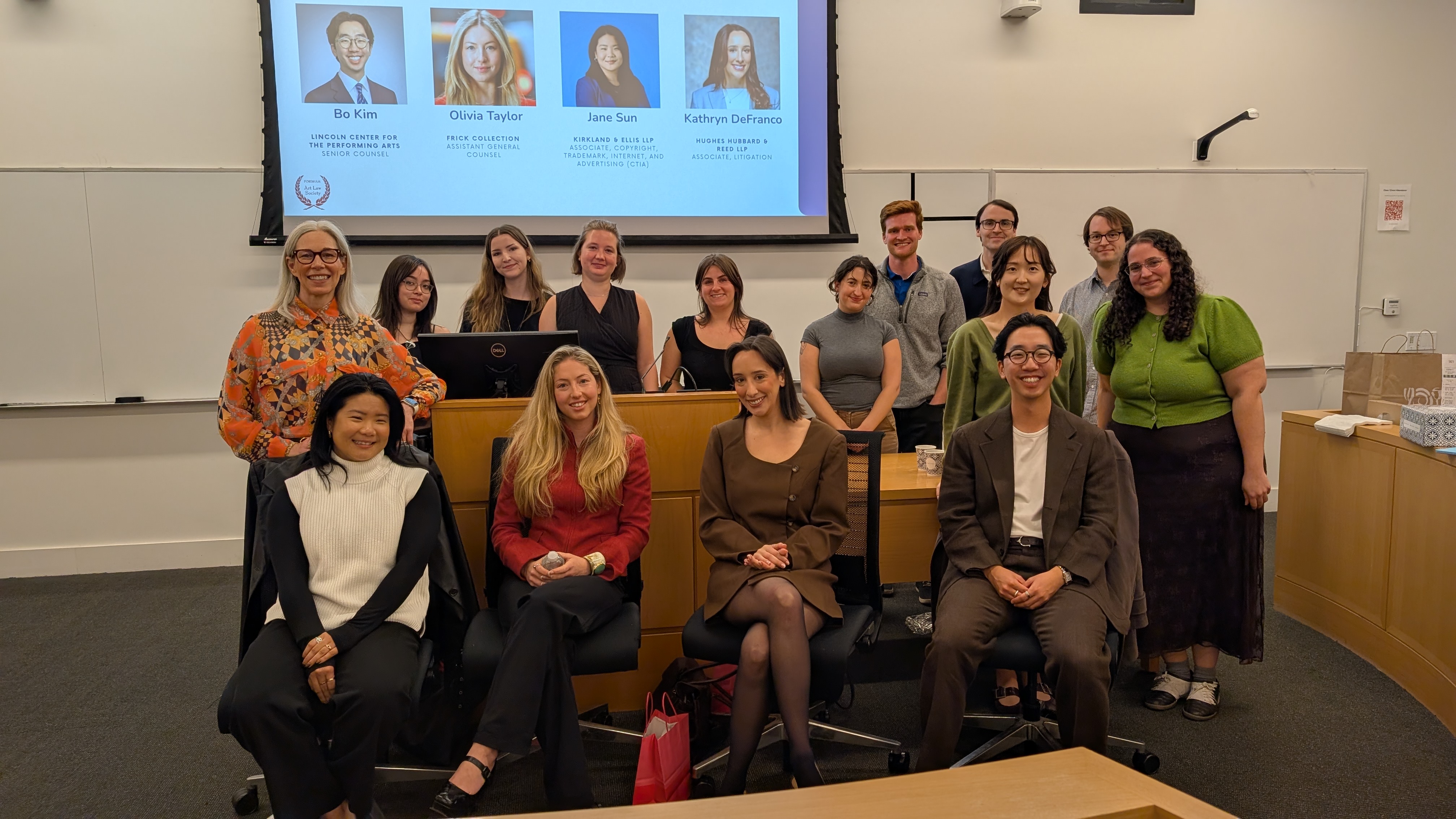
Looking ahead, we another event coming up this semester that we are very excited about and we would love to see you there!
November 17th: “Estate of the Art: Preserving and Governing an Artist’s Legacy.” Join us to learn about artist estates and foundations – specifically, the the legal and practical questions of planning and protecting an artist’s legacy, during their lifetime and after. The panel discussion will include core estate-planning issues that arise for artists and how artist estates and foundations are formed, governed, and run.
(November 17th, 6pm in the Moot Court Room)

Upcoming Art Exhibitions
If you want to take a break from studying, here are some upcoming art exhibitions and events around the city!
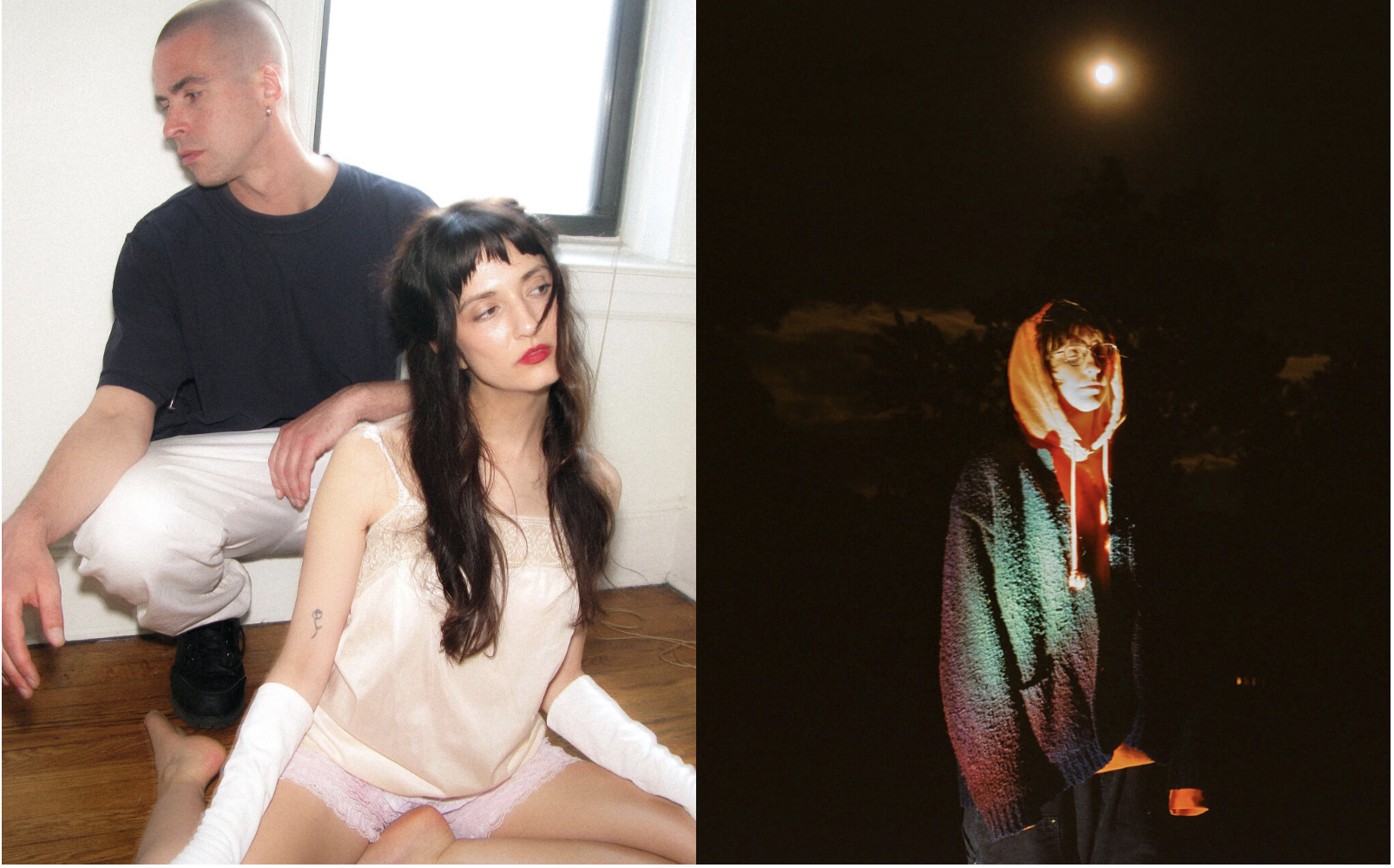
Live Music by Emily A. Sprague and LEYA
- Friday, November 13, 2026
- 6:30 pm, LEYA
- 8pm, Emily A. Sprague
- Whitney Museum of American Art
- Event details available here.

Art of Manga
- October 3, 2026 – January 31, 2027
- Brooklyn Museum
- Exhibition details available here.
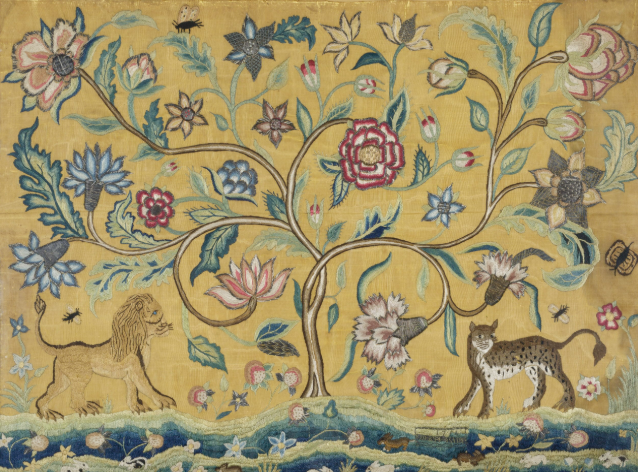
Locating Girlhood: Place and Identity in Early American “Schoolgirl” Art
- October 9, 2026 – February 28, 2027
- American Folk Art Museum
- Exhibition details available here.
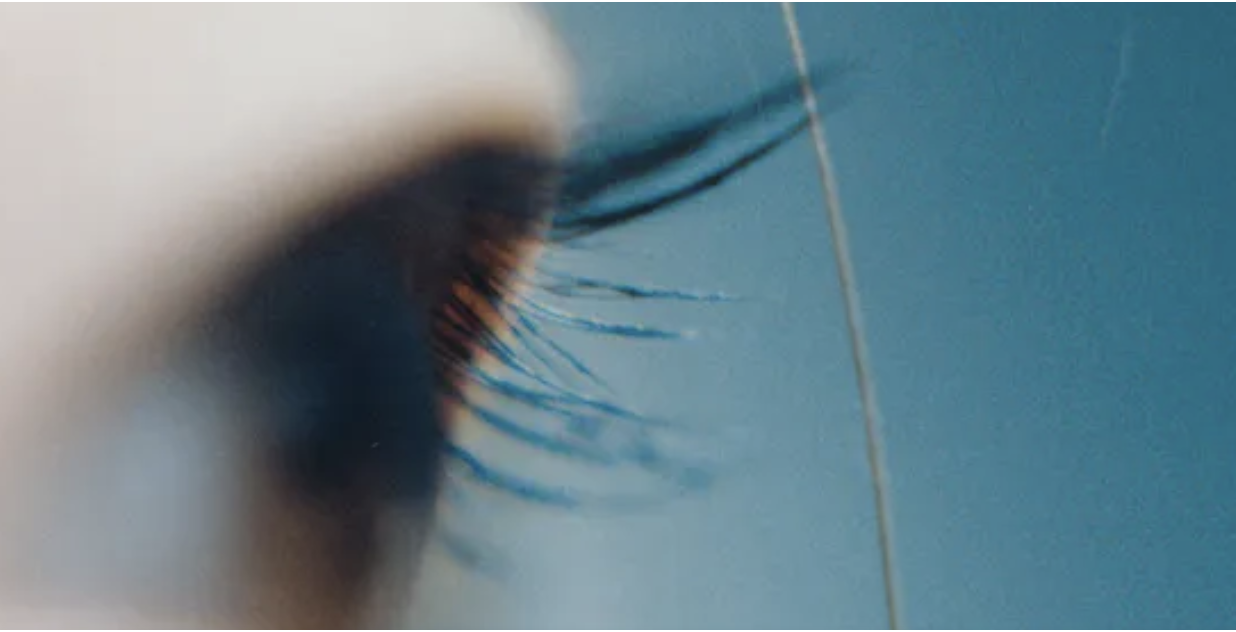
I’m So Happy You Are Here: Japanese Women Photographers from the 1950s to Now
- October 15, 2026 – January 11, 2027
- International Center of Photography
- Exhibition detail available here.
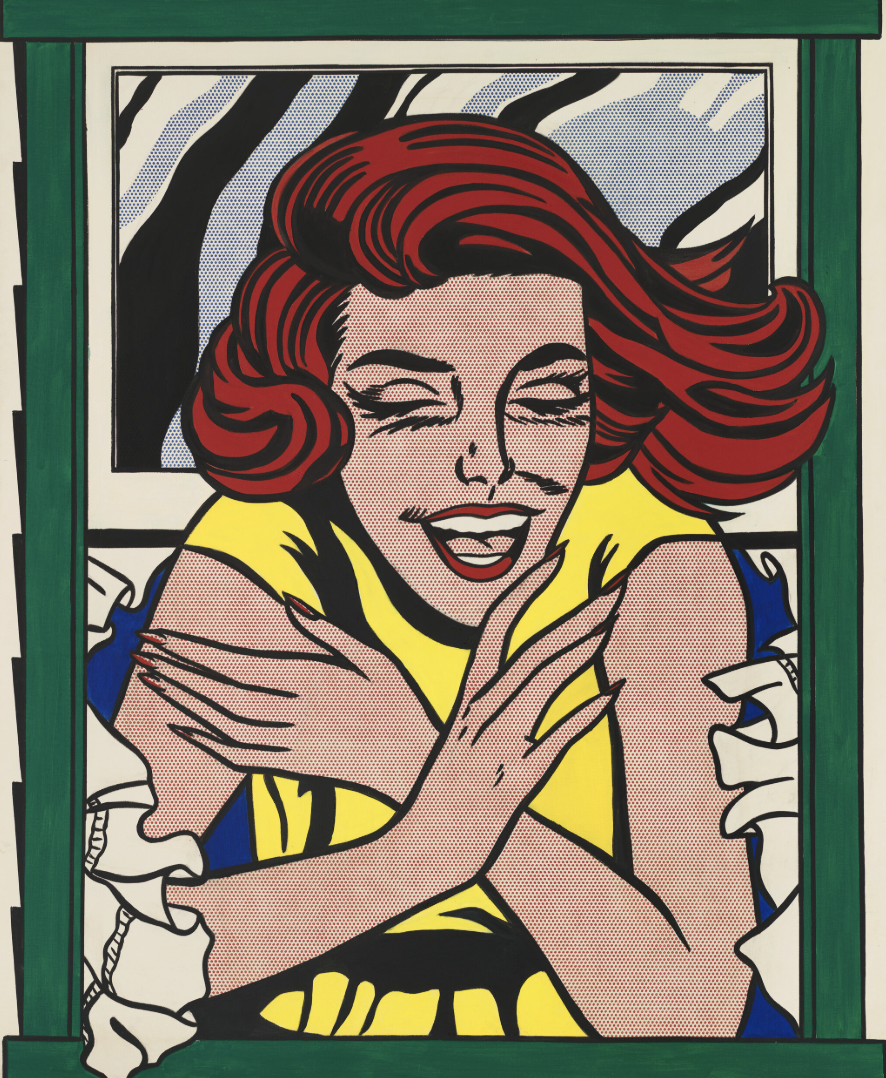
Roy Lichtenstein: Like New
- October 11, 2026 – May 10, 2027
- The Whitney
Exhibition details available here.
Acknowledgments
Thank you to our professional advisors Aaron Haines and Carrie Scott! Throughout the year, they will provide invaluable perspectives on the art world, help us develop meaningful programming, and connect our members to the broader field.


Leave a Reply